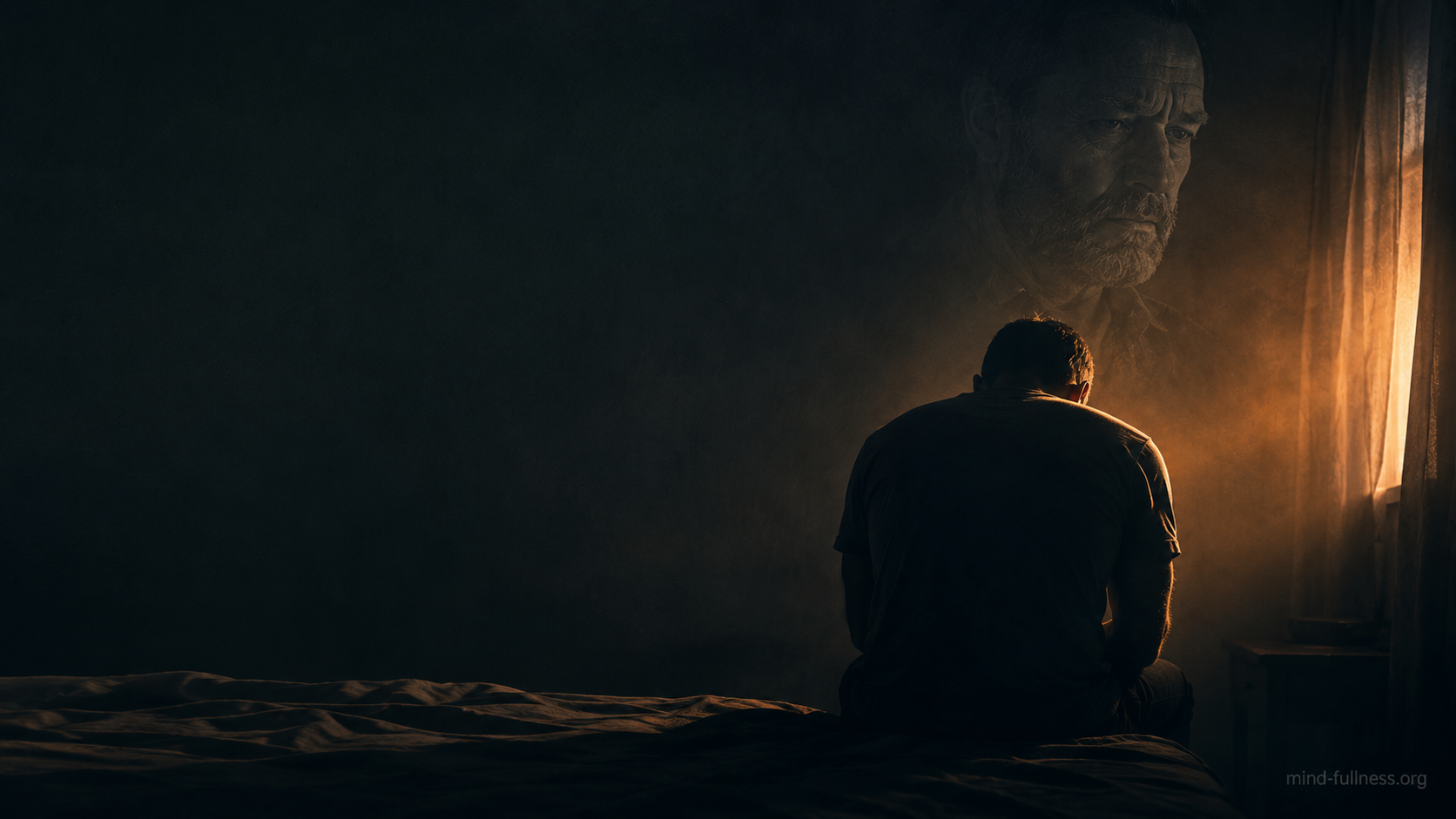

You have just snapped at your partner over a dish left in the sink. You shout at your kid for spilling juice like it's the end of the world. Two minutes later you're standing in the kitchen wondering what the hell just happened, because none of that warranted this sort of reaction. Truth is, this hardly anything to do with the dishes or the spilled juice. It’s something bigger than just a bad day. Many men who come to counselling with what looks like an anger problem are actually carrying something they never chose.
This is a pattern of reacting that was handed to them long before they understood what it was. Online counselling is often where men first get the chance to look at that pattern properly, without a partner in the room bracing for the next blow up, and without a mate telling them to just calm down.
Something in this sounds like you, here's where a conversation could start
Where the anger comes from?
Nobody is born knowing how to handle frustration. You learn it, the same way you learned to walk and talk, by watching the adults around you do it first. If your dad went quiet for three days when he was angry, or your mum threw plates when she felt unheard, or raised voices were you existed in your house, you didn't file that away as one option among many. You filed it as the way anger is supposed to be expressed. This is generational anger and it's more common than most men realise.
Researchers following new fathers observed that a short temper in one generation reliably predicts a harder, more strained relationship with the next, not because sons are destined to repeat it, but because our nervous system learns what it sees long before the mind can reason its way out of it. Counsellors see this pattern constantly. Men who were never taught how to feel frustrated, disappointed or scared, so anger became the only language available to them.
How anger shows up now?
Anger in men not always looks like the shouting you grew up around, but it could. It can look like snapping at your kids over something trivial and hating yourself five minutes later. It can look like going cold and silent instead of raising your voice, because you swore you'd never become your father, so you built a different cage instead. It looks like road rage that surprises even you, or a short fuse at work that's starting to cost you friendships and respect. Underneath most of it sits something much softer like feeling dismissed, powerless or like nobody is really listening, and rage is simply the fastest exit from all of that. The trouble is that exit with rage has a price, and it's rarely the one paying it is the man who raged.
What your anger costs you and everyone around you?
The immediate cost is obvious enough, a partner who flinches slightly before certain conversations, kids who learn to read your mood before they say good morning, friendships that quietly thin out because people get tired of walking on eggshells. The less obvious cost is what it does to you. Carrying that much reactivity is exhausting, it keeps your body in a permanent state of alert, and it tends to isolate the very man who's carrying it, because anger pushes people away right when connection is what you actually need. And there's a longer cost too, because your kids are watching exactly what you have watched as a child. Learning the same lesson about what anger is suppose to look like inside a family. That's usually when men may reach out for counselling, not guilt about themselves, but the fear of handing the same inherited pattern to their own children.
How counselling can help with your anger?
Going to counselling it’s not about teaching you to suppress anger or count to ten, but but to help you understand what it was covering up in the first place. Working with a counsellor means slowing the whole thing down enough to notice what comes right before the rage, the hurt, the shame, the fear of not being good enough, and giving those feelings somewhere to go that isn't your kid's bedroom door. It means separating what you learned from what you actually want to pass on, and realising the pattern isn't written in stone, it's just familiar. Breaking a vicious cycle like this doesn't happen by white knuckling through it alone, it happens by actually looking at how this anger was wired in your brain, with someone who isn't afraid to go there with you. Men who do this work don't become passive or soft, they become steadier, the kind of dad and partner who can be frustrated without the whole house shaking.
Book your first session with me and we can start exploring from where your anger is coming from
If you found this while worrying about someone else
If you're reading this because your partner, a dad, or a brother suffers with anger rather than yourself, a few things worth knowing. You can't argue a man out of a pattern he learned before he could talk. Pointing out that he sounds just like his father usually gets you a wall rather than a breakthrough. What tends to help is naming the specific moment calmly and later, once things have cooled, rather than mid outburst. You can gently mention that counselling exists as an option to work thing out rather than framing it as something's wrong with you. The change has to come from him choosing to look at it, but you noticing the pattern and naming it kindly is often the first crack in it.
George Papachristodoulou. Qualified Psychotherapist
Frequently Asked Questions about Anger
Is anger always inherited from my family or can it just be my personality?
Anger is shaped by both temperament and what you were exposed to growing up, but the way it gets expressed, shouting, silence, sarcasm, is almost always learned rather than a personality quirk, which is exactly why it can be unlearned.
Can counselling actually help with anger or is that only for anxiety and depression?
Anger is one of the most common reasons men actually book their first session, and counselling tends to work by exploring what sits underneath the anger rather than just managing the outburst itself.
How do I know if my anger is a real problem or just normal stress?
If it's affecting your relationships, scaring people who love you, or leaving you regularly ashamed of your own reaction afterwards, that's usually a sign it's worth exploring properly rather than something to just push through.